3D Printer: Turning Digital Ideas into Real-World Manufacturing
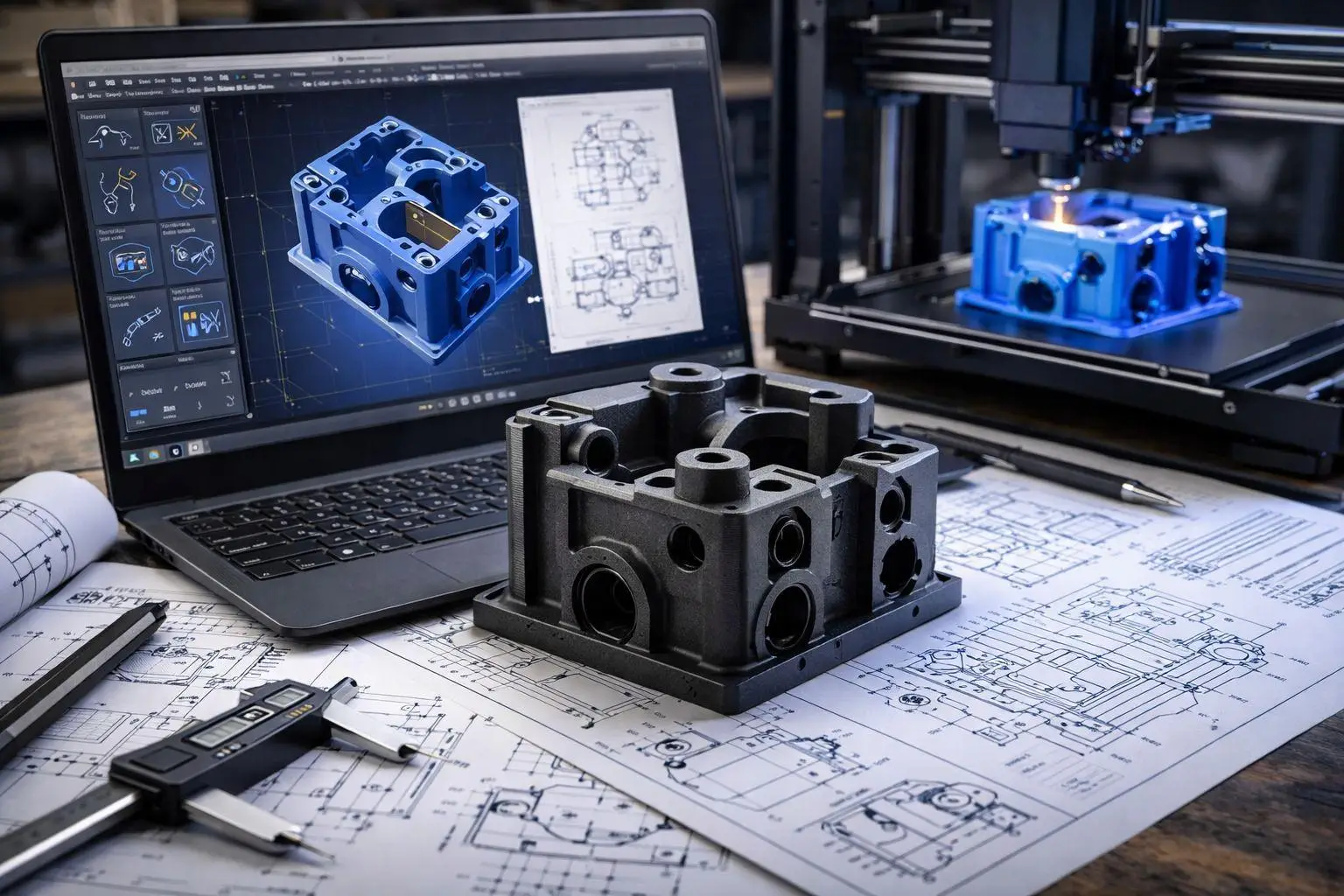
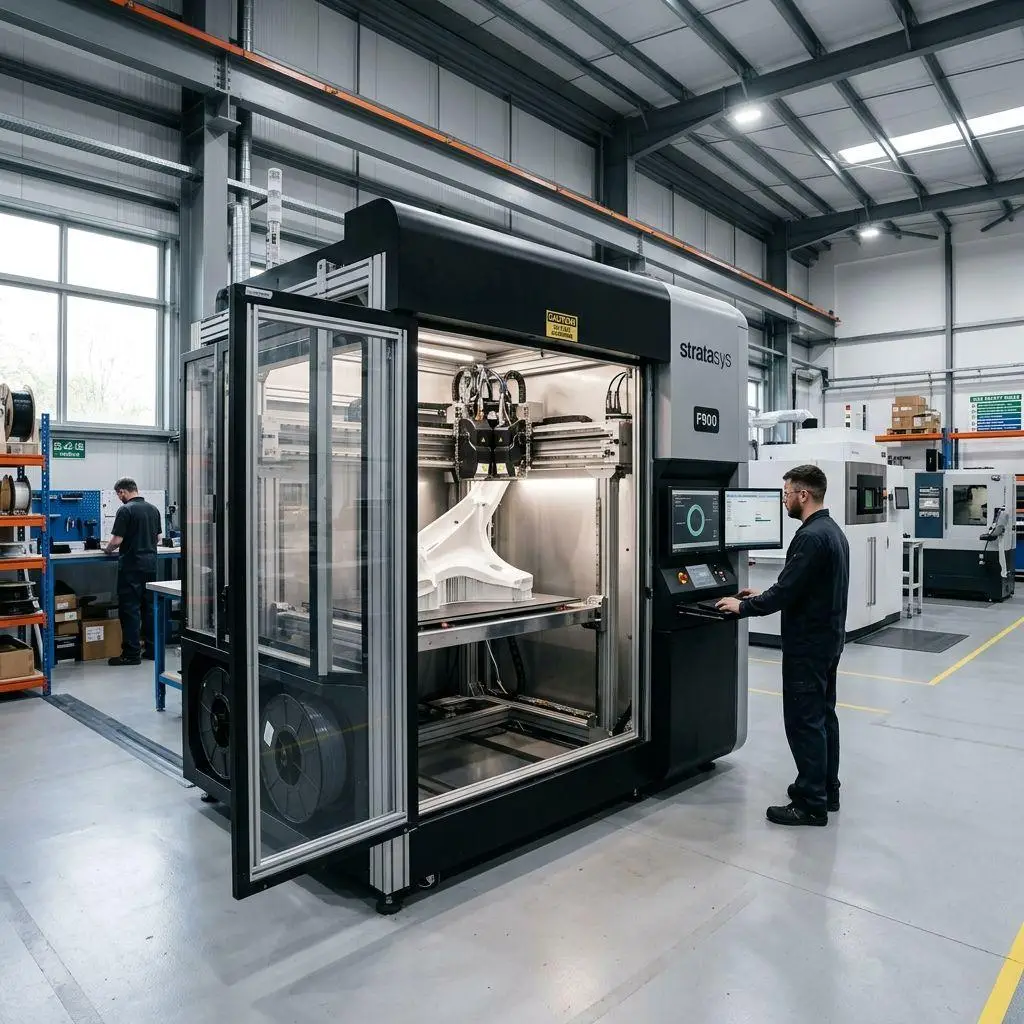
I still find the basic idea behind a 3D Printer fascinating: you can create something on a computer and then watch a machine turn that digital design into a real, physical object, layer by layer. What once sounded futuristic has now become an important technology in modern manufacturing.
3D printing, also known as additive manufacturing, creates physical objects from digital designs by adding material layer by layer. For manufacturers, engineers, designers and startups, it is not simply about producing interesting models. It can support rapid prototyping, customized production, tooling, product development and innovation.
What is a 3D Printer?
A 3D Printer is a machine that transforms a digital 3D model into a physical object. Unlike traditional subtractive manufacturing, where material is removed from a larger workpiece, 3D printing gradually adds material until the required shape is created.
Depending on the printing technology and application, different materials can be used, including various plastics, resins and metals. This gives designers and manufacturers the flexibility to select a process according to their product requirements.
"Key Points: Digital manufacturing, layer-by-layer production, rapid prototyping, customized components and greater design flexibility."
How Does a 3D Printer Work?
The journey from an idea to a physical 3D-printed product usually involves several important steps:
- 3D Design: A digital model of the required component is created using suitable design software.
- File Preparation: The model is prepared and converted into instructions that the 3D printer can understand.
- Material Selection: A suitable printing material is selected according to the application.
- Layer-by-Layer Printing: The printer gradually builds the physical object one layer at a time.
- Finishing & Inspection: The printed component is removed, cleaned, finished and inspected according to its requirements.
What interests me most is the connection between creativity and engineering. A designer can visualize an idea digitally, print it, inspect the result, identify problems, modify the design and create an improved version.
Major Applications of 3D Printing
3D printing can support different manufacturing requirements depending on the product, material, design and production volume.
Rapid Prototyping
Helps engineers turn digital concepts into physical prototypes for testing, evaluation and design improvement.
Customized Parts
Useful for creating unique components and products designed according to specific requirements.
Complex Components
Allows designers to explore complicated geometries that may be difficult to manufacture using some conventional processes.
Tools & Fixtures
Can be used to produce prototypes, jigs, fixtures and other supporting tools for manufacturing operations.
Rapid Prototyping Made Easier
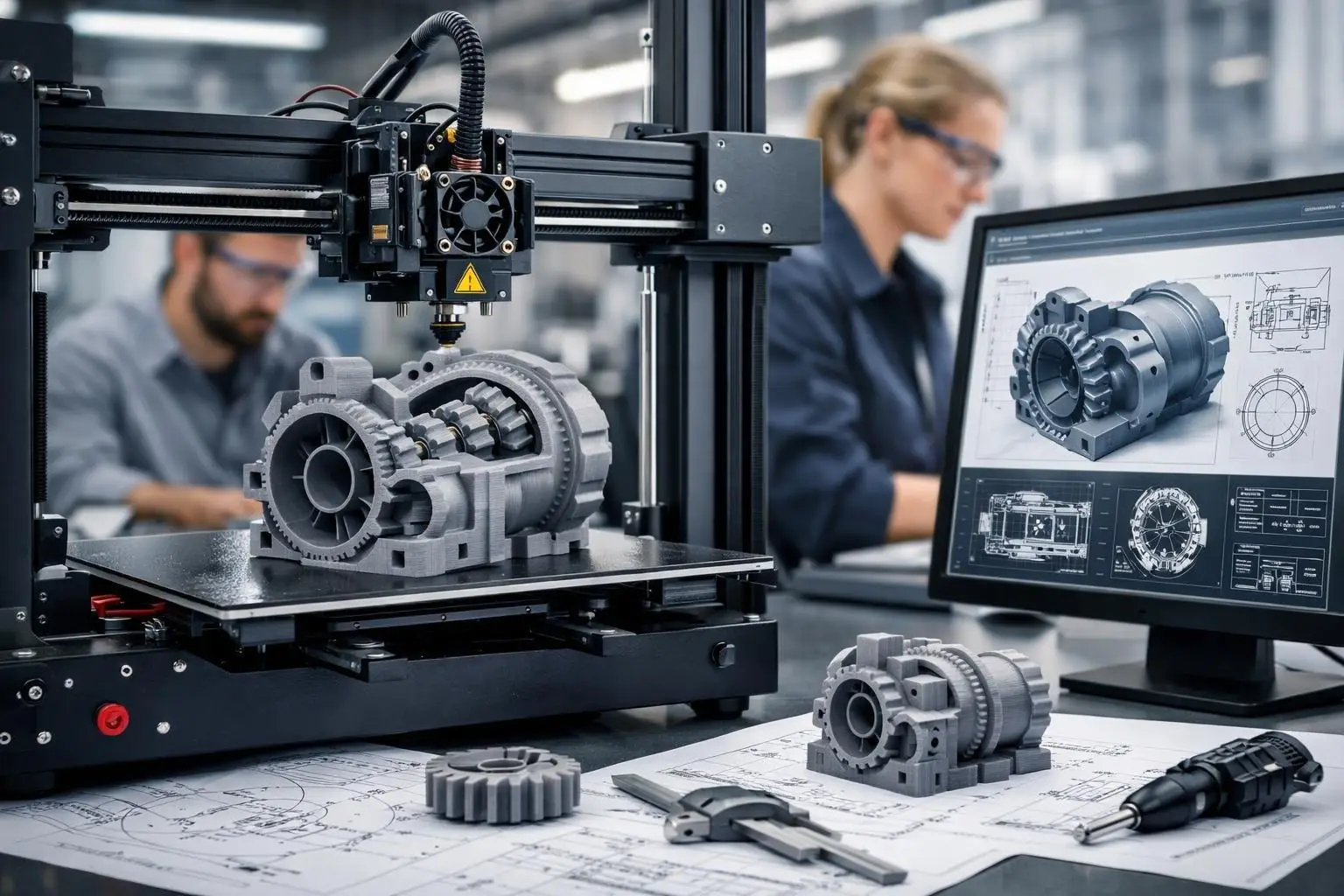
One of the applications of 3D printing that I find most interesting is rapid prototyping. Traditionally, creating a prototype may involve several manufacturing operations before engineers can physically evaluate their design.
With 3D printing, a digital design can be transformed into a physical prototype more directly. Engineers can then hold the component, examine its shape, check its functionality and identify possible improvements before moving toward final production.
Personally, I think this is where 3D printing becomes extremely valuable. Looking at a design on a computer screen is useful, but physically holding a prototype can provide a completely different understanding of the product.
Where Are 3D Printers Used?
From my perspective, one of the biggest strengths of 3D printing is its versatility. It can support product development and manufacturing activities across many industries.
- Automotive: Prototype components, customized parts, fixtures and product development.
- Aerospace: Lightweight and complex components for specialized applications.
- Medical & Dental: Models, customized products and application-specific components.
- General Engineering: Prototypes, replacement components, tools and fixtures.
- Research & Development: Testing new ideas, designs, materials and manufacturing concepts.
- Product Design: Converting digital concepts into physical models for evaluation.
- Education: Helping students understand design, engineering and manufacturing concepts practically.
Advantages of 3D Printing
From my learning and understanding of manufacturing technology, 3D printing offers several interesting advantages when used for suitable applications:
- Faster Prototyping: Helps transform digital designs into physical prototypes for testing and improvement.
- Design Flexibility: Allows engineers to experiment with different shapes and complex geometries.
- Customization: Individual products or components can be modified according to specific requirements.
- Material Efficiency: Additive manufacturing builds components layer by layer instead of removing large amounts of material.
- Product Development: Multiple design versions can be produced and evaluated during development.
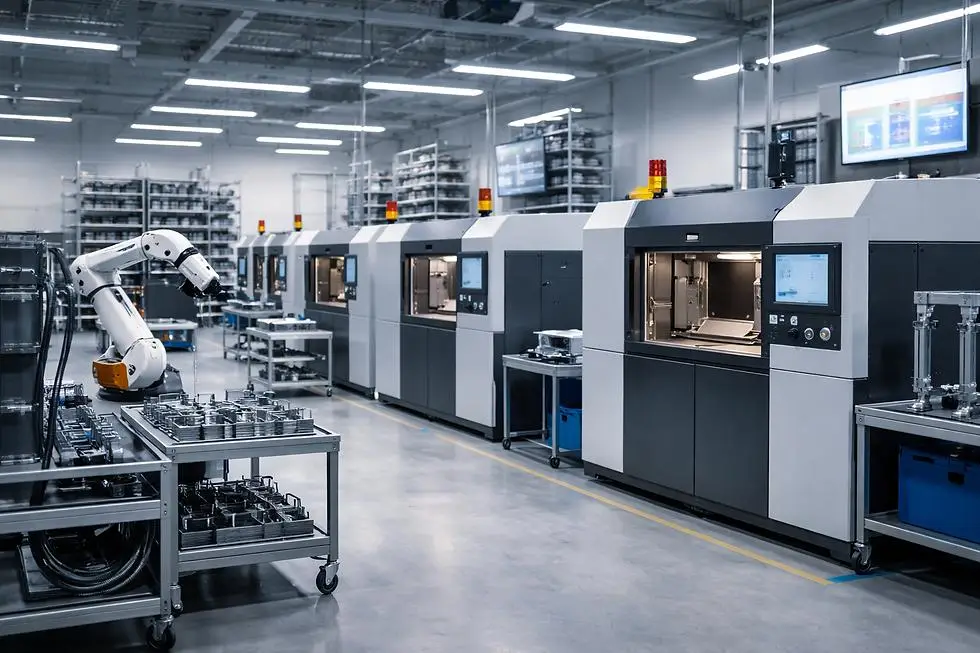
- Low-Volume Production: 3D printing can be useful for certain specialized or smaller production requirements.
This growing combination of modern and conventional manufacturing technology is also important for businesses exploring equipment through a Top Used Manufacturing machine agency in Pune.
3D Printing and Traditional Manufacturing
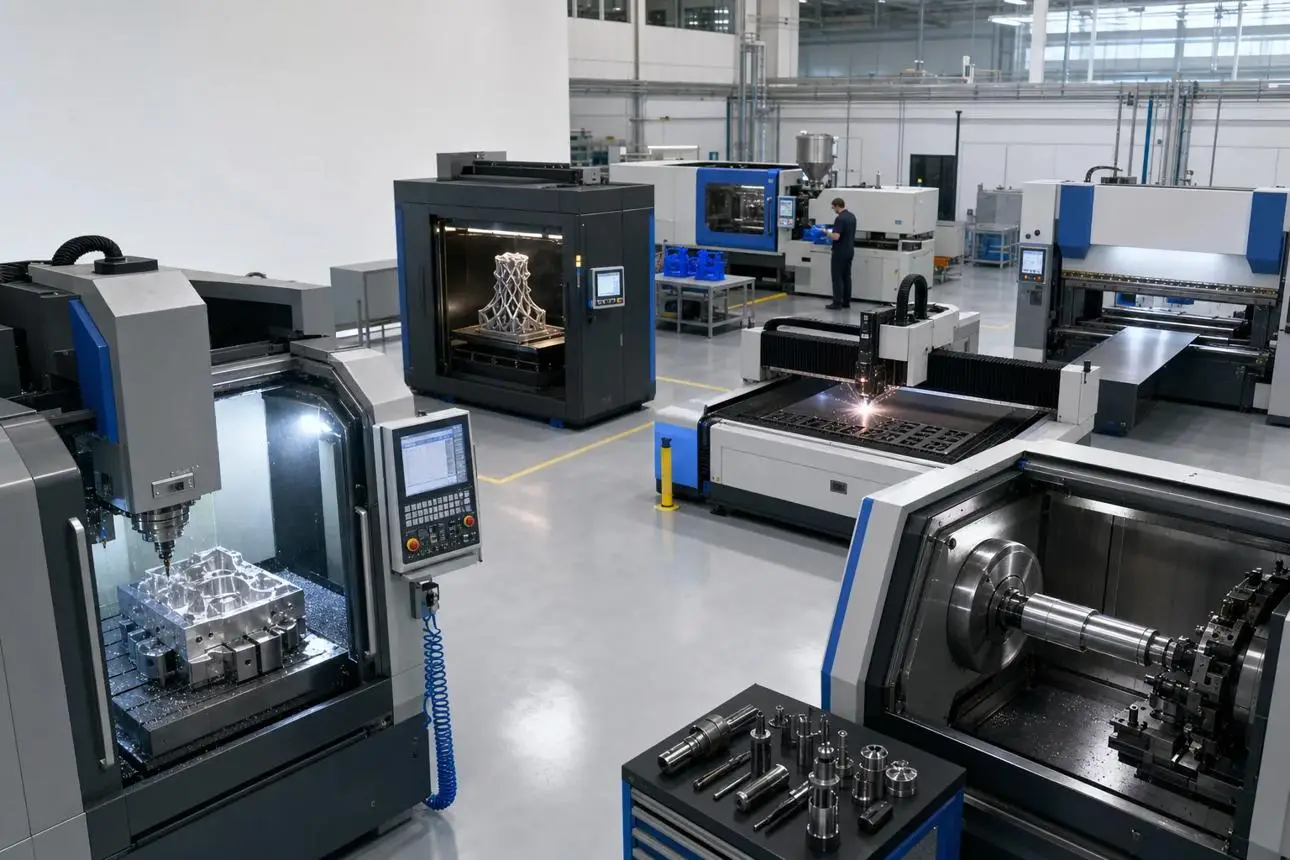
I don't see 3D printing as a technology that simply replaces every traditional manufacturing machine. Instead, I think its real strength appears when it works alongside established manufacturing processes.
For example, a company might use a 3D printer to create and test a prototype before moving the final component into another manufacturing process. Similarly, 3D-printed jigs, fixtures or models may support other production activities.
"The smartest manufacturing strategy is not always choosing between new and traditional technology—it is understanding where each technology provides the greatest value."
Choosing the Right Manufacturing Technology
Every manufacturing requirement is different. Production volume, component material, accuracy, strength, surface finish, complexity, production speed and budget can all influence which manufacturing technology is most suitable.
Businesses looking for cost-effective manufacturing equipment may explore machinery through a. Pre-owned equipment can provide another option for manufacturers that want to expand or upgrade production while carefully managing investment.
Similarly, working with a can help businesses explore different machine options according to their production requirements, applications and available budget.
My Personal Learning Experience
As someone interested in technology, what fascinates me about 3D printing is how closely the digital and physical worlds come together. A design begins as data on a computer screen, but eventually that information controls a real machine and creates something that we can actually hold.
It reminds me of programming. When we write code, small instructions combine to create a complete application. In 3D printing, digital instructions guide the machine layer by layer until a complete physical object appears.
That connection has changed the way I look at manufacturing. It shows that modern manufacturing is not only about heavy machines—it is increasingly about the combination of software, design, automation and engineering.
Conclusion
A 3D Printer represents an exciting development in modern manufacturing. It gives engineers and designers the ability to move from a digital idea to a physical object while supporting prototyping, customization, experimentation and product development.
For manufacturers, however, the goal should not simply be to use the newest technology. The important thing is choosing the right technology for the right application. Whether that involves additive manufacturing, conventional machinery or equipment sourced through the, every investment should match actual production requirements.
Working with a Best second hand Manufacturing machine company in Pune can also support businesses exploring cost-effective machinery as they combine proven manufacturing processes with emerging technologies.
3D printing proves that sometimes the journey from imagination to reality can happen one layer at a time.