Beyond the Metal Block: The Craft and Precision of CNC Milling
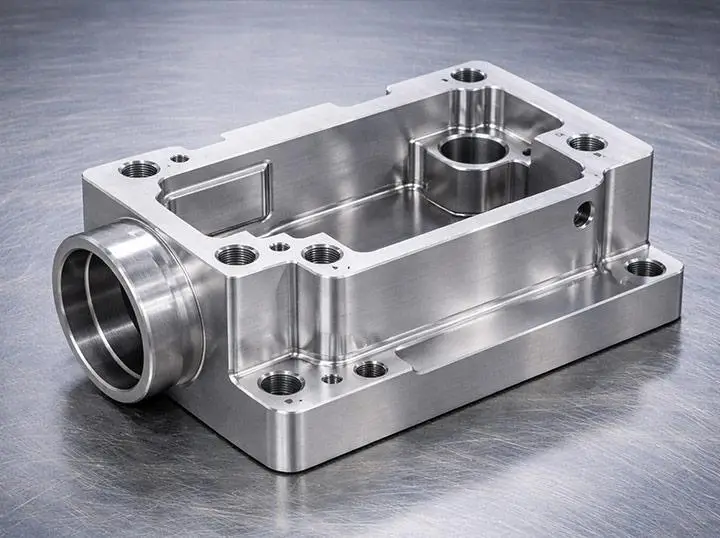
When we look at a finished automotive component, an aerospace part, a machine housing, or even a small precision-engineered product, we often see only the final result. What we do not see is the journey behind it—the design, programming, tooling, setup, and precise machining that transform a simple block of material into a functional component. Best maufacturing and engineering products supplier in Pune India. This is where CNC Milling plays an important role.
To me, CNC milling is more than just a machine cutting metal. It is a process where an engineer's idea slowly takes physical shape. A digital design created on a computer can become an actual component through carefully controlled movements, rotating cutting tools, and precise programming.
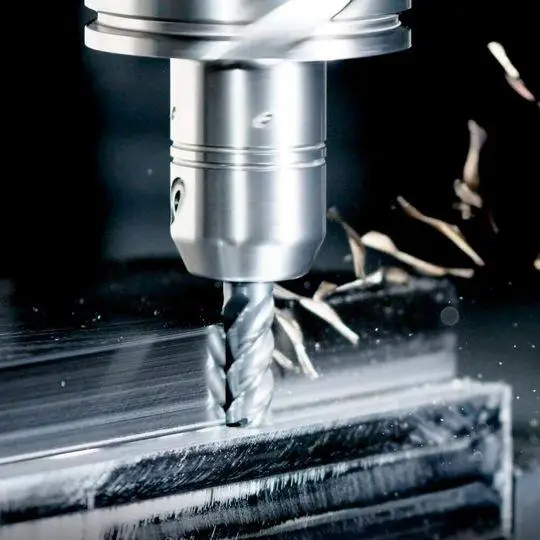
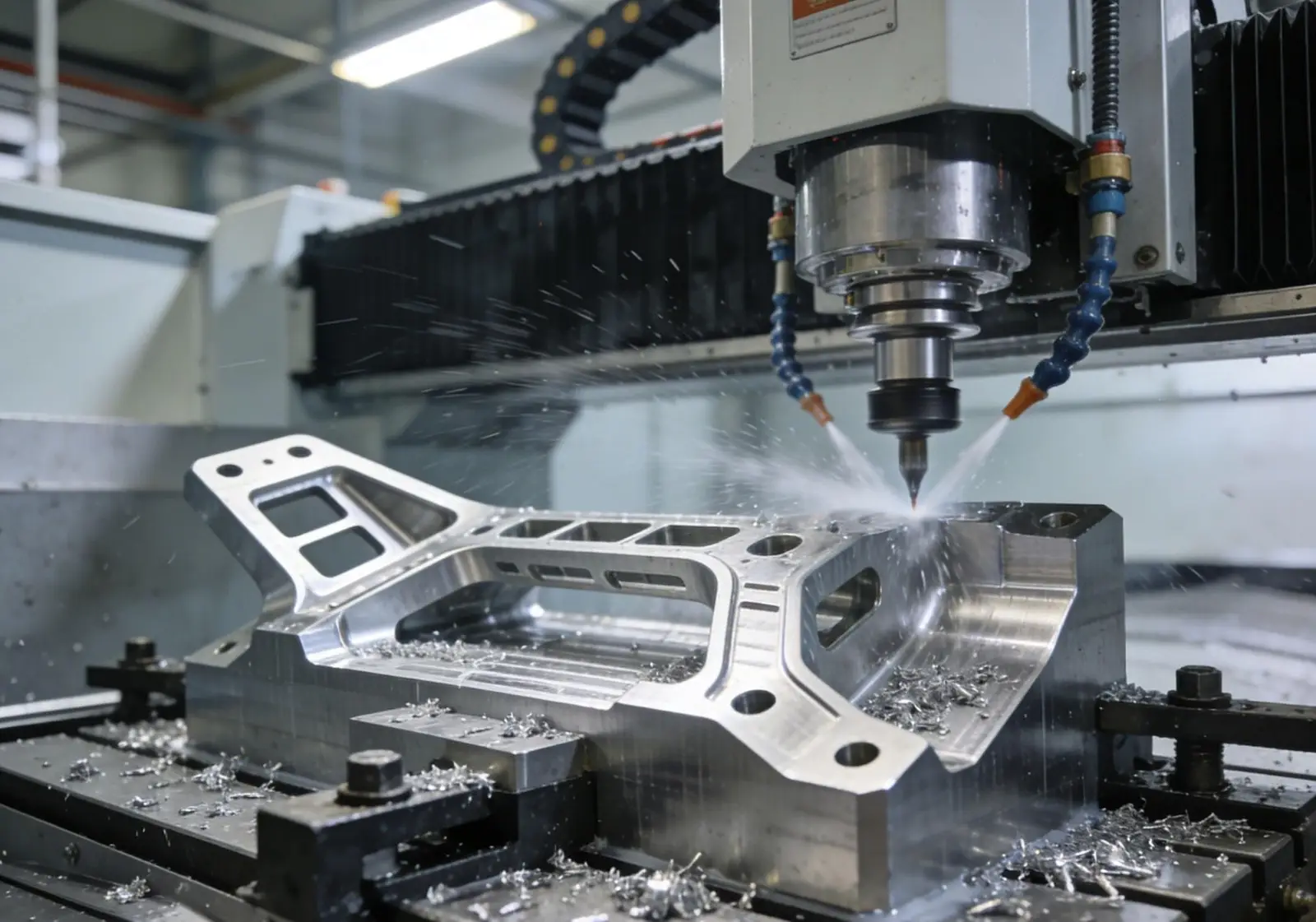
CNC, or Computer Numerical Control, milling is a subtractive manufacturing process. A rotating cutting tool removes material from a workpiece according to programmed instructions to create the required shape, slots, holes, pockets, contours, and other features. The computer controls the movement of the machine, helping manufacturers produce complex and repeatable parts with a high level of consistency.
From a Raw Block to a Finished Component
One of the most fascinating things about CNC milling is watching a raw piece of material change step by step. It may begin as a simple block of aluminium, steel, brass, stainless steel, or another engineering material. Once the workpiece is securely fixed inside the machine, the programmed machining process begins.
The spindle rotates the cutting tool, while the machine moves the tool or workpiece along different axes. Depending on the component, common operations include:
- Face Milling: Creating flat surfaces.
- Slot Milling & Drilling: Cutting precise channels and holes.
- Pocketing & Contouring: Shaping complex internal and external geometries.
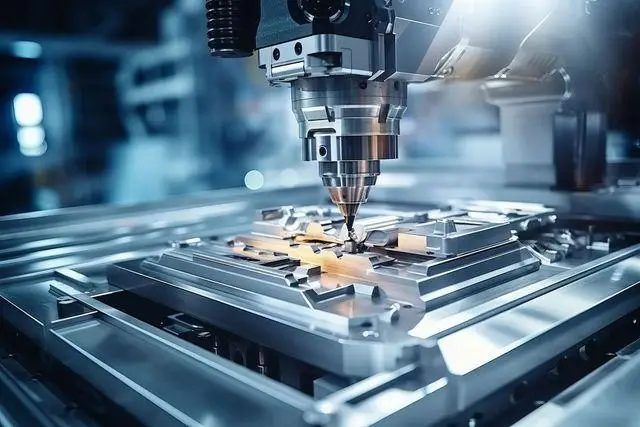
Modern machines can operate with 3, 4, or 5 axes, allowing increasingly complex parts to be produced with fewer setups. A complex shape that would be difficult and time-consuming to create manually can be produced using a carefully planned digital program and the right combination of tooling, machine capability, and setup.
Why Precision Matters
In manufacturing, even a small variation can sometimes make a significant difference. Components need to fit together correctly, move smoothly, and perform reliably. CNC milling helps manufacturers achieve repeatability, but precision is not created by the machine alone.
The quality of a CNC-milled component depends on several key factors:
- Material properties and machinability
- Machine condition and calibration
- Tool wear and cutting parameters
- Workholding stability
- Programming accuracy and post-machining inspection
In my view, this is what makes CNC machining interesting: technology is important, but engineering knowledge and practical experience remain equally important.
Applications Across Modern Industries
CNC milling is used across a wide range of industries because of its ability to produce precise and complex components:
Automotive
Engine blocks, custom brackets, and high-performance vehicle parts.
Aerospace
Highly accurate components with complex, lightweight geometries.
Medical & Electronics
Surgical instruments, custom implants, and heat-sink enclosures.
Tooling & Industrial
Moulds, dies, fixtures, and heavy industrial machinery components.
The Human Side of Automation
Although CNC milling is computer-controlled, there is still a strong human element behind every successful machining operation. Someone has to understand the drawing, select the right material, prepare the program, choose the cutting tools, determine machining parameters, set up the workpiece, and inspect the finished component.
"Automation may control the movement, but experience helps determine how the job should be done."
That is why I believe CNC milling represents a perfect combination of technology, engineering knowledge, and craftsmanship.
The Future of CNC Milling
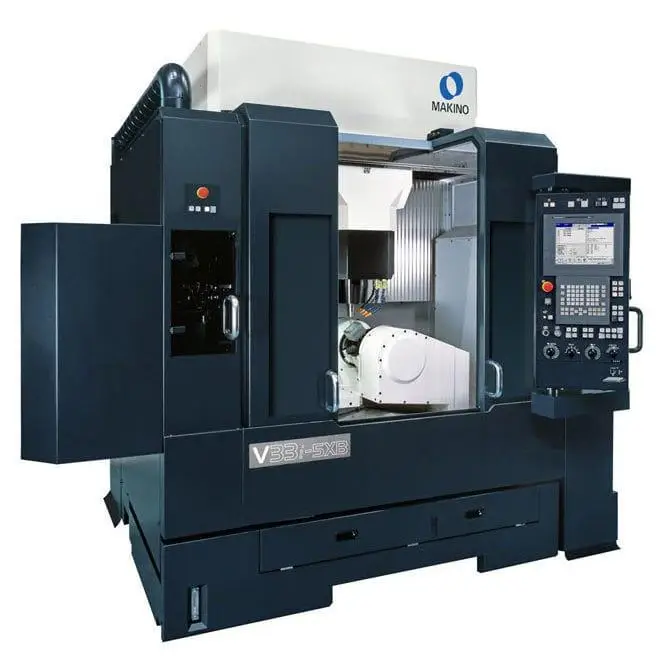
Manufacturing is moving toward greater automation, digitalisation, and multi-axis machining. Advanced 5-axis systems can access complex surfaces and produce intricate geometries efficiently, while modern control systems and automation solutions continue to improve productivity and flexibility.
However, the basic idea remains the same: take a design and transform it into something real with precision.
Showcasing Engineering Excellence Online
To highlight engineering craftsmanship and showcase the expertise of the Top Used Manufacturing machine agency in Pune, having a strong digital presence is essential for modern industrial businesses. Partnering with a helps manufacturers present complex manufacturing capabilities clearly to prospective clients. The building a high-performing industrial website bridges the gap between expert shop-floor production and potential global customers.
Conclusion
CNC milling is an essential part of modern manufacturing. It combines computer technology with mechanical engineering to create accurate, reliable, and complex components.Whether collaborating with a Best second hand Manufacturing machine company in Pune, or From a simple metal block to a finished precision part, every machining process tells a story of design, planning, technology, and skill.
For me, that is the real beauty of CNC milling—it is not simply about removing material. It is about turning an idea into a precise, functional reality.