CNC Plasma Cutter – Power, Precision, and Productivity in Modern Metal Cutting
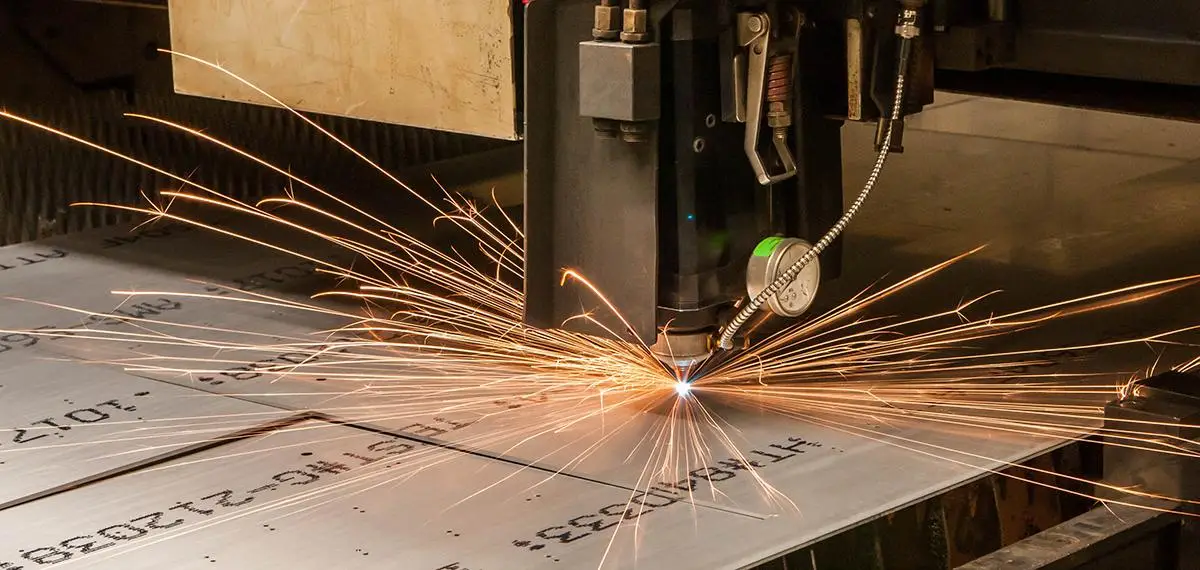
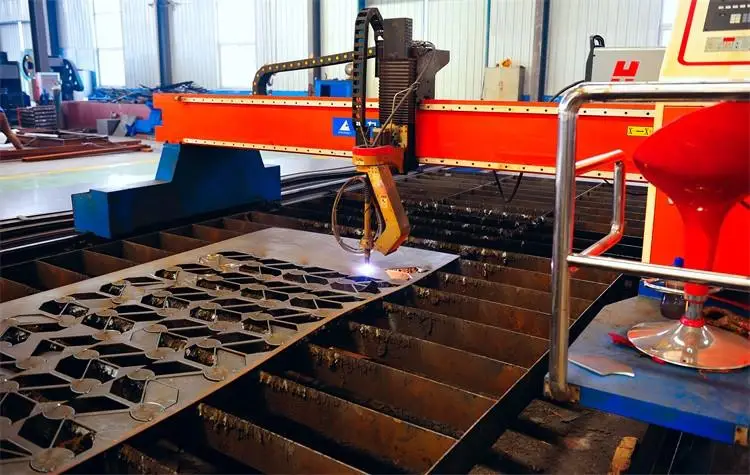
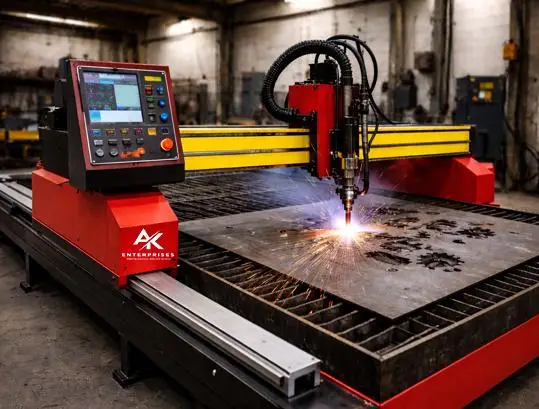
Whenever I see a CNC Plasma Cutter working, the combination of speed and precision always catches my attention. A solid sheet of metal can be transformed into a clean, accurately shaped component within minutes. The bright plasma arc, smooth machine movement, and computer-controlled cutting make it easy to understand why this technology has become so important in modern fabrication.
For businesses looking to expand production without investing heavily in brand-new equipment, purchasing from the Best second hand Manufacturing machine company in Pune can also make advanced CNC plasma cutting technology more accessible and cost-effective.
What is a CNC Plasma Cutter?
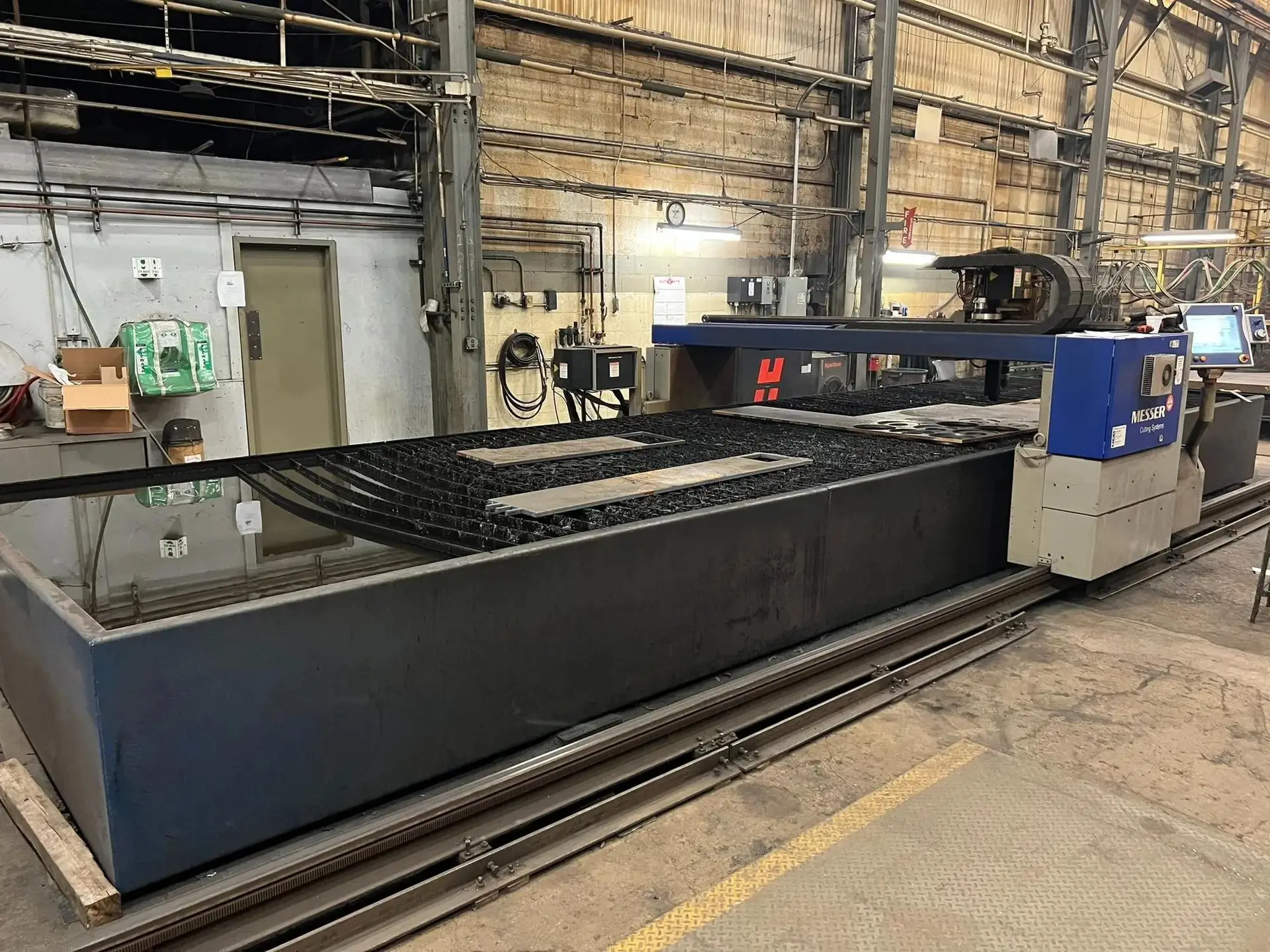
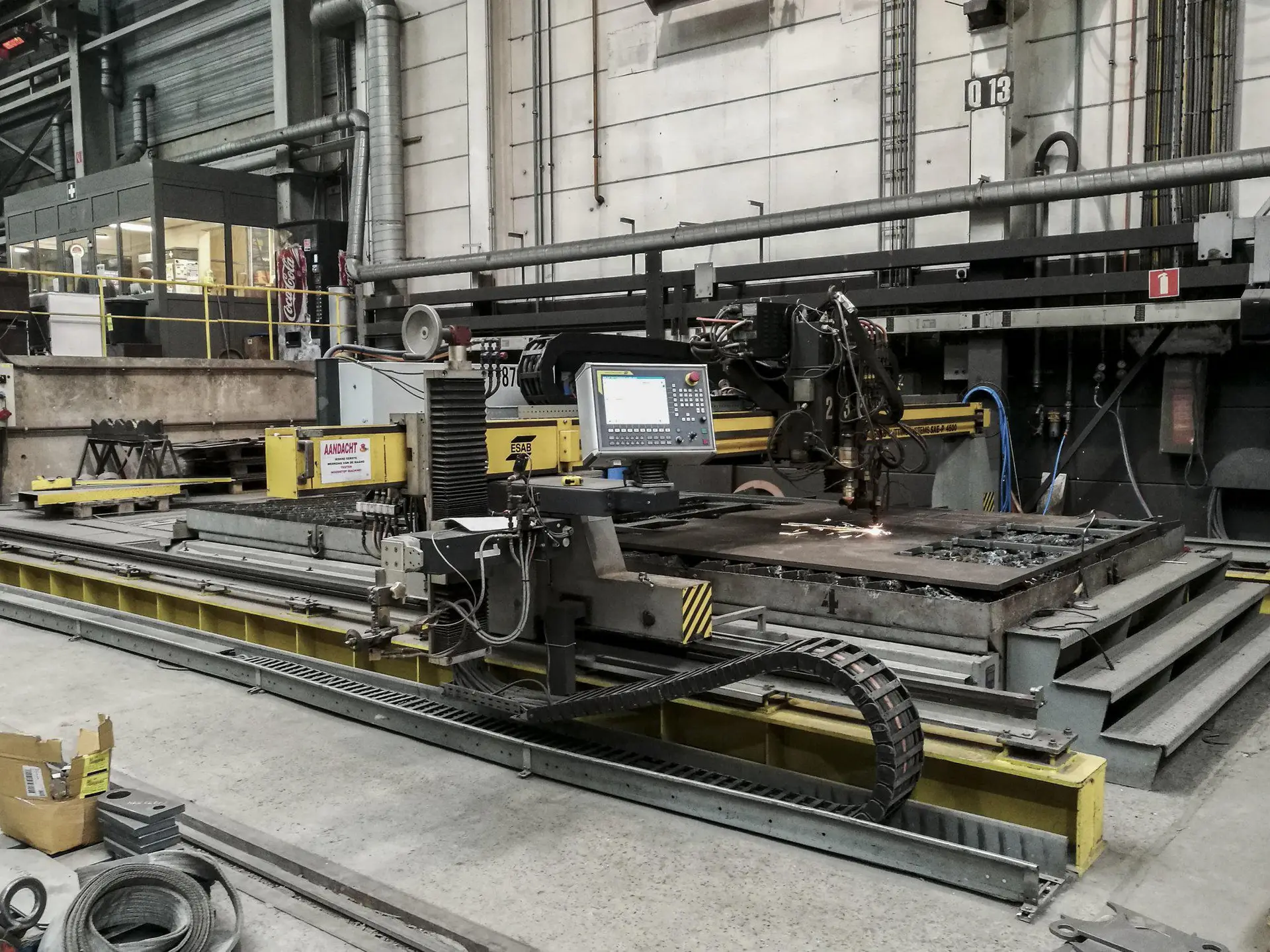
A CNC Plasma Cutter is a computer-controlled machine designed to cut electrically conductive metals using a high-temperature plasma jet. CNC stands for Computer Numerical Control, meaning the cutting path is controlled through programmed instructions.
The plasma torch moves according to the digital design and produces accurate cuts in materials such as:
- Mild steel
- Stainless steel
- Carbon steel
- Aluminium
- Copper and other conductive metals
What I personally find interesting is how digital drawings can be converted into real metal components with impressive consistency.
"Key Points: Computer-controlled cutting, high-speed plasma, precise metal profiles, repeatable production and flexible fabrication."
How Does a CNC Plasma Cutter Work?
The process starts with a digital CAD design. This design is converted into instructions that tell the CNC system exactly where and how the plasma torch should move.
- Digital Design: The required component or cutting profile is created using CAD software.
- Program Preparation: The design is converted into instructions that can be understood by the CNC controller.
- Plasma Generation: Compressed gas passes through the torch and is converted into extremely hot plasma.
- Metal Cutting: The plasma arc melts the metal along the programmed cutting path.
- Material Removal: High-speed gas removes molten material and helps create a clean cut.
Because the movement is automated, the machine can repeatedly manufacture complex shapes with much greater consistency than manual cutting.
Major Benefits of CNC Plasma Cutting
From my perspective, CNC plasma cutting combines speed, automation and flexibility in a way that makes it valuable for many fabrication requirements.
High Cutting Speed
CNC plasma cutters can process metal quickly, making them useful for businesses handling regular or high-volume fabrication work.
Excellent Precision
Computer-controlled movement helps maintain accurate dimensions and reduces human cutting errors.
Complex Shape Cutting
Curves, holes, patterns and customised profiles can be produced directly from digital designs.
Reduced Material Waste
Proper nesting of components on a metal sheet can improve material utilisation and minimise unnecessary scrap.
Consistent Production with CNC Technology
One of the features I find particularly useful about CNC plasma cutting is its ability to provide consistent production. Once a cutting program is prepared correctly, the same component can be produced repeatedly with consistent dimensions.
This can be especially important for fabrication businesses producing multiple identical components. Instead of depending entirely on manual measurements for every piece, the CNC system follows the programmed cutting path.
Personally, I think this combination of automation and repeatability is where CNC technology provides significant value to modern manufacturing operations.
Where Are CNC Plasma Cutters Used?
CNC plasma cutting machines are widely used across manufacturing and fabrication industries because they can handle many different metal-cutting requirements.
- Sheet-Metal Fabrication: Cutting plates, sheets and customised metal profiles.
- Automotive Components: Producing different metal parts and fabrication components.
- Industrial Machinery: Cutting components used in machines and equipment.
- Construction Equipment: Preparing structural and fabricated metal components.
- Agricultural Equipment: Cutting parts required for machinery and implements.
- Signage: Producing customised metal letters, patterns and decorative profiles.
- Custom Metalwork: Creating unique shapes according to specific designs.
For me, this versatility is one of the biggest strengths of CNC plasma technology. One machine can support many different manufacturing requirements simply by changing the design and cutting program.
Why Consider a Used CNC Plasma Cutter?
A new CNC plasma cutting system can require significant investment. A properly inspected used machine can offer businesses a more economical way to increase their manufacturing capacity.
However, machine condition matters. Buyers should check the CNC controller, plasma power source, torch condition, cutting table, drive system, accuracy, service history and availability of spare parts before finalising a purchase.
Working with a Top Used Manufacturing machine agency in Pune can make the process easier by helping manufacturers identify machines suited to their production requirements and budget.
"A used manufacturing machine should not be selected only because of its price. Machine condition, production requirements, accuracy and long-term usability are equally important."
Choosing the Right CNC Plasma Cutter
Every fabrication business has different requirements. Material type, metal thickness, cutting dimensions, production volume, accuracy, available workspace and budget should all be considered when choosing a CNC Plasma Cutter.
For a growing manufacturing business, selecting a suitable machine can help improve productivity without creating unnecessary investment pressure.
This is why businesses exploring pre-owned equipment may benefit from working with the Best second hand Manufacturing machine company in Pune when evaluating suitable machinery for their production needs.
My Personal View on CNC Plasma Cutting
What interests me most about CNC Plasma Cutters is the connection between software and physical manufacturing. A component starts as a digital drawing on a computer, but those digital instructions eventually control a powerful machine that cuts a real sheet of metal.
For me, it shows how modern manufacturing is becoming increasingly connected with digital technology. CAD design, CNC programming, automation and traditional metal fabrication all work together to produce the final component.
That combination of software, automation, precision and engineering is what makes CNC plasma cutting such an interesting manufacturing technology.
Final Thoughts
CNC Plasma Cutters demonstrate how automation can make traditional metal cutting faster, smarter and more precise. From simple plates to complex industrial profiles, these machines help manufacturers improve productivity while maintaining consistent quality.
I believe the real value of CNC plasma cutting is not just its cutting speed—it is the flexibility it gives manufacturers to turn a digital idea into an accurately finished metal component.
For growing fabrication businesses, choosing the right new or second-hand CNC Plasma Cutter can be a practical step toward better productivity, lower production costs and stronger manufacturing capabilities.
CNC plasma cutting shows how digital precision and powerful metal fabrication can work together to turn a design into reality.